

Addressing Iron and Manganese in Water
Protecting Quality and Consumer Satisfaction
Iron and manganese are naturally occurring minerals often found in groundwater and surface water supplies. While not harmful in small amounts, their presence in excess concentrations can cause significant problems for water systems and end users:
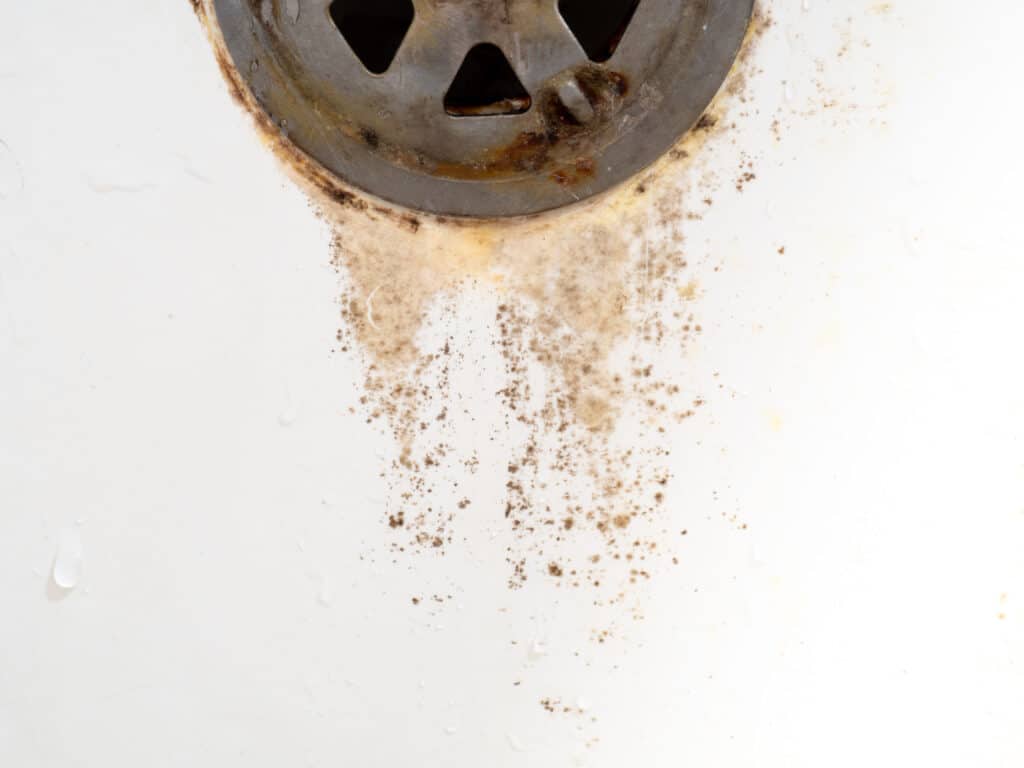
- Staining: Iron and manganese oxidize upon exposure to air, forming reddish-brown (iron) or black (manganese) precipitates. These precipitates stain laundry, plumbing fixtures, and appliances, leading to frequent consumer complaints.
- Taste and Odor: Even low concentrations can impart a metallic taste to drinking water, making it unappealing. Manganese, in particular, can also produce a musty or bitter odor.
- Water Clarity: Suspended iron and manganese particles cause discoloration and turbidity, reducing the perceived quality of the water.
Operational and Maintenance Challenges
Excessive iron and manganese can cause serious problems for water distribution systems and infrastructure:
Filtration Overload: Traditional filtration systems can struggle to handle high levels of iron and manganese, requiring more frequent maintenance and filter replacements.
Scale Formation: These minerals can precipitate and build up inside pipes, pumps, and valves, reducing flow capacity (C-factor) and increasing pumping energy costs.
Corrosion: Iron and manganese deposits can accelerate corrosion of metal surfaces, further damaging infrastructure and leading to costly repairs.
Health Considerations and Regulatory
While iron is not considered a health hazard, manganese has emerged as a concern due to its potential health effects, especially in vulnerable populations.
Regulatory Frameworks:
Drinking water guidelines and standards for iron and manganese vary by region. In Europe, the EU Drinking Water Directive (EU) 2020/2184 establishes parametric values and risk-based approaches to protect public health, while other jurisdictions maintain their own guidance levels and operational targets.
Water utilities must balance aesthetic, operational, and health considerations when managing iron and manganese in treated water.
How Carus Can Help
Carus provides permanganate-based oxidation solutions that support the effective management of iron and manganese in drinking water treatment processes.
Oxidation Solutions:
AQUOX® potassium permanganate and CARUSOL® liquid permanganate oxidize dissolved iron and manganese into insoluble particles, facilitating downstream removal through filtration.
System Compatibility:
These solutions integrate with existing treatment systems and can help utilities optimize performance, reduce operational challenges, and support water quality objectives.
Technical Expertise:
Carus brings experience supporting utilities in developing, implementing, and optimizing treatment strategies aligned with regional regulatory frameworks, including the EU Drinking Water Directive (EU) 2020/2184 and U.S. EPA guidance.
Solutions in Action
Carus solutions are used to help:
- Reduce staining, discoloration, and scale formation
- Improve taste, odor, and overall water clarity
- Support operational reliability and asset protection
- Assist utilities in meeting internal water quality targets and regulatory objectives
Resources
Solve Your Iron and Manganese Problems
Learn more about Carus’ effective solutions.